

Annie Leibovitz is a name synonymous with iconic photography. Her work spans decades and includes some of the most memorable images in pop culture and fashion history. From her early days in the industry to her work with major fashion publications, Leibovitz has left an indelible mark on the world of photography. Let’s explore her journey, inspirations, and some of the controversies that have shaped her illustrious career.
Beginnings and Rise in Fashion Photography
Annie Leibovitz began her career in the late 1960s, studying painting at the San Francisco Art Institute. Her interest soon shifted to photography, and she landed a job at Rolling Stone magazine in 1970. It was here that she honed her craft, becoming the chief photographer within three years. Her style—characterized by its bold, intimate portraits—quickly gained recognition.
Leibovitz’s foray into fashion photography was a natural progression of her evolving career. In the 1980s, she started working with Vanity Fair, and later Vogue, where her ability to blend storytelling with fashion became evident. Her portraits often went beyond mere aesthetics, capturing the essence and personality of her subjects.
Inspirations and Iconic Works
Leibovitz draws inspiration from a wide range of sources, including the work of photographers like Richard Avedon and Henri Cartier-Bresson. Her unique ability to merge art and realism has led to some of the most compelling images in modern photography.
One of her most famous photographs is the poignant image of John Lennon and Yoko Ono, taken just hours before Lennon’s assassination in 1980. The picture, featured on the cover of Rolling Stone, shows a naked Lennon curled up next to a fully clothed Ono, symbolizing their intimate yet complex relationship. This photograph remains one of the most iconic images of the 20th century.
Work with Fashion Publications
Leibovitz’s collaboration with major fashion publications like Vanity Fair and Vogue has resulted in some of the most memorable fashion photography of our time. She has shot countless covers and editorials, working with celebrities, models, and fashion designers to create images that are both visually stunning and emotionally resonant.
Her fashion photography is known for its narrative quality. Leibovitz often creates elaborate, story-like settings for her shoots, drawing viewers into a world that blends fantasy with reality. Whether it’s a whimsical recreation of a fairy tale or a powerful portrait series, her work continues to push the boundaries of fashion photography.

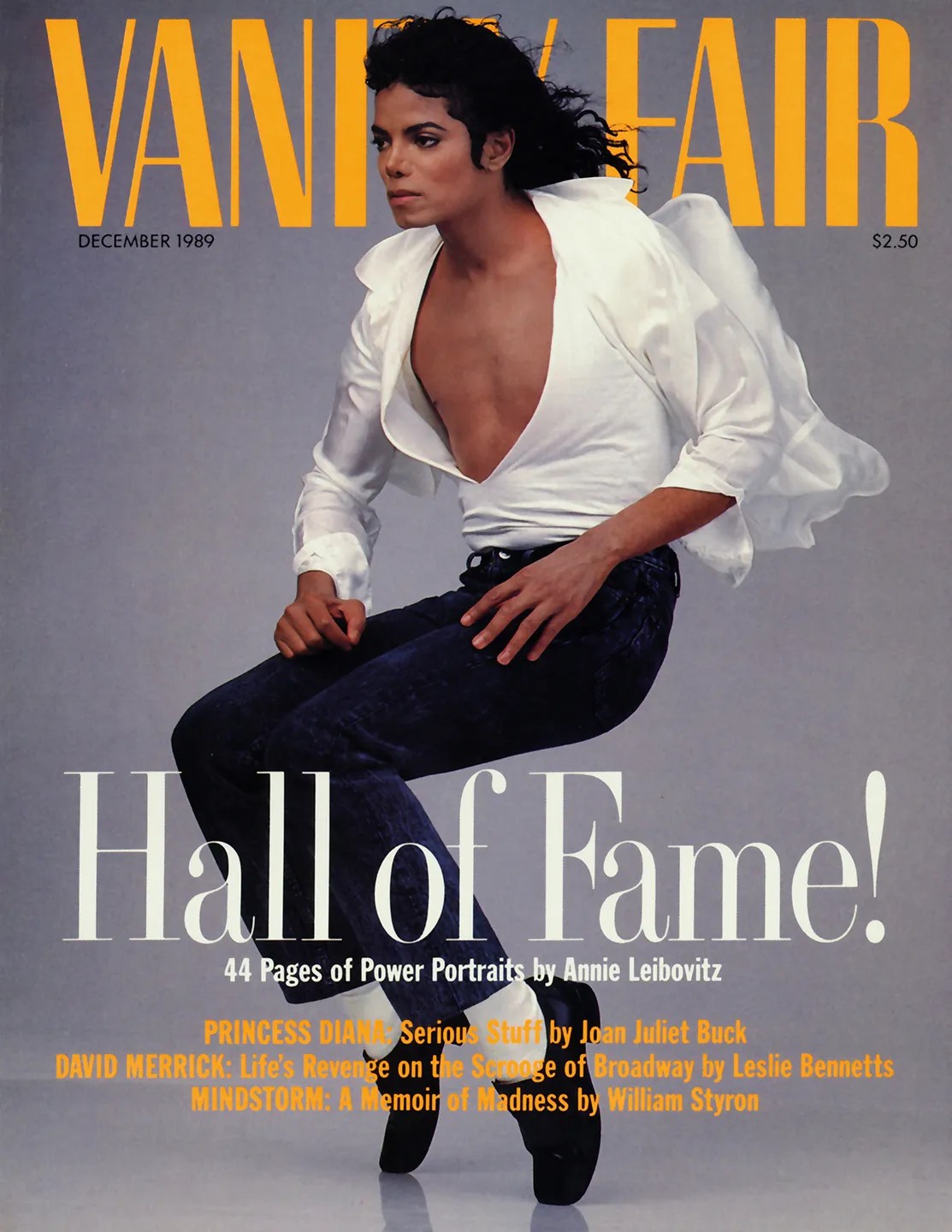


Controversies
In April 2008, Annie Leibovitz photographed LeBron James and supermodel Gisele Bündchen for the cover of Vogue. The image depicted James, mouth open and muscles flexed in an aggressive pose, dribbling a basketball with one hand while wrapping his other arm around a smiling Bündchen. The cover quickly drew criticism for its apparent resemblance to racist imagery, particularly the historical trope of the “King Kong” figure—a powerful black man menacing a white woman.
In another controversial shoot, Leibovitz photographed black Olympic athletes for Vanity Fair’s 2008 special issue. Some critics felt that the poses and settings chosen for the black athletes were less flattering compared to their white counterparts, suggesting a potential bias in how they were portrayed.
Legacy and Influence
Annie Leibovitz’s influence on photography and fashion is undeniable. Her ability to capture the essence of her subjects, combined with her creative approach to portraiture, has made her one of the most sought-after photographers in the world. Her work continues to inspire new generations of photographers and artists.
In an industry where images are fleeting, Leibovitz’s photographs stand as timeless pieces of art. Her journey through the lens is a testament to the power of photography to tell stories, evoke emotions, and capture the human spirit in all its complexity.
From the raw intimacy of John Lennon and Yoko Ono to the fantastical worlds of fashion, Annie Leibovitz remains a master of her craft, although not so much when it comes to black people.
Discover more from Fashion Food & Cocktails
Subscribe to get the latest posts sent to your email.
