
From Haute Couture Maestro to Modern Icon
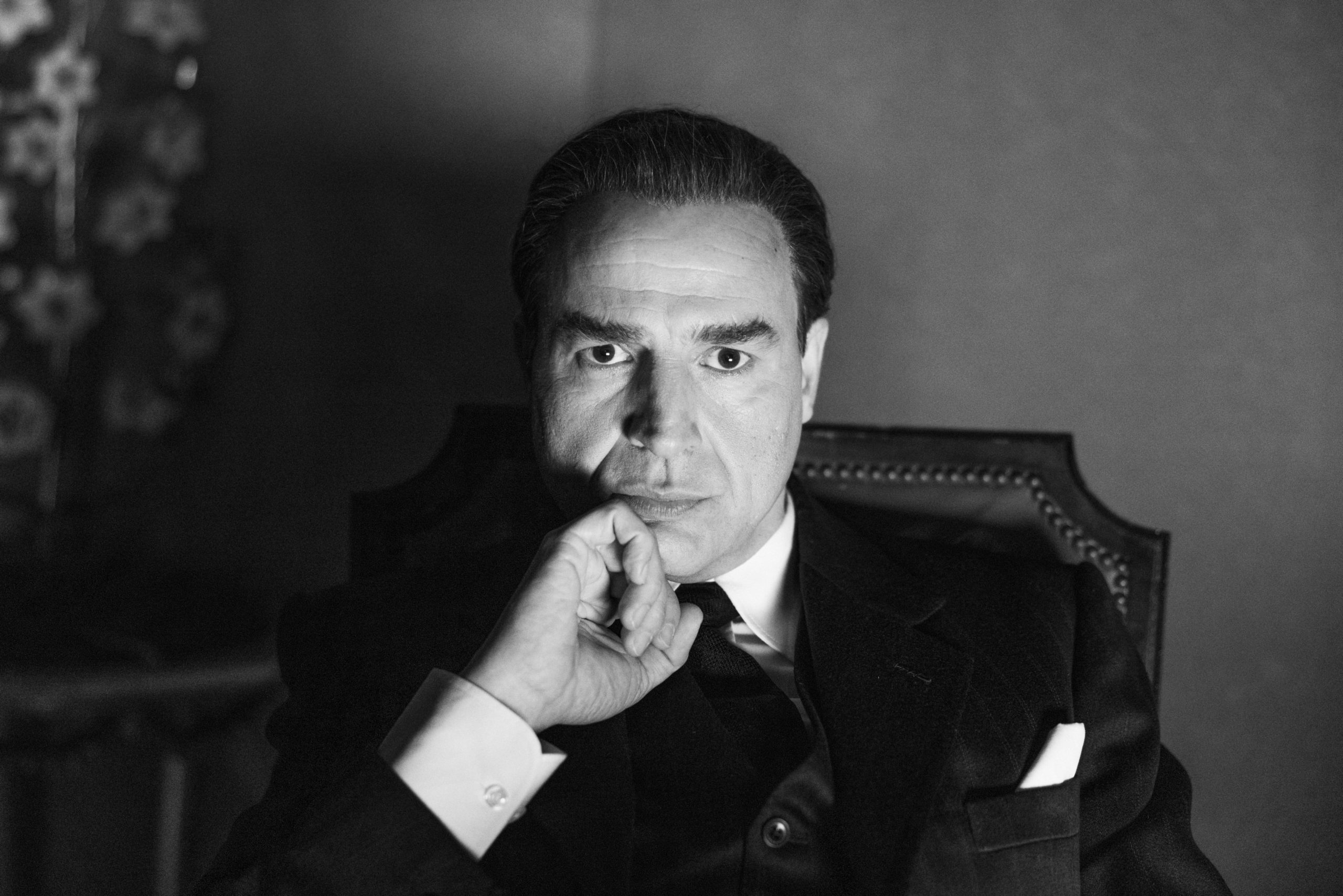
In the realm of fashion, few names evoke as much reverence and admiration as Cristóbal Balenciaga. A visionary couturier, Balenciaga’s impact on the industry continues to resonate decades after his passing. From humble beginnings to legendary status, his journey is as inspiring as it is influential.
Born in the Basque region of Spain in 1895, Cristóbal Balenciaga showed an early aptitude for dressmaking. Apprenticing with local tailors, he honed his skills and eventually opened his first boutique in San Sebastián in 1919. By the early 1930s, he had established himself as a prominent couturier in Paris, attracting clientele from around the world with his impeccable craftsmanship and innovative designs.
Balenciaga’s career reached its zenith in the 1950s and 1960s, a period often referred to as the “golden age” of haute couture. Renowned for his architectural silhouettes, sculptural shapes, and innovative use of fabrics, he redefined the concept of modern elegance. His iconic designs, such as the cocoon coat, the balloon skirt, and the sack dress, became synonymous with sophistication and luxury.
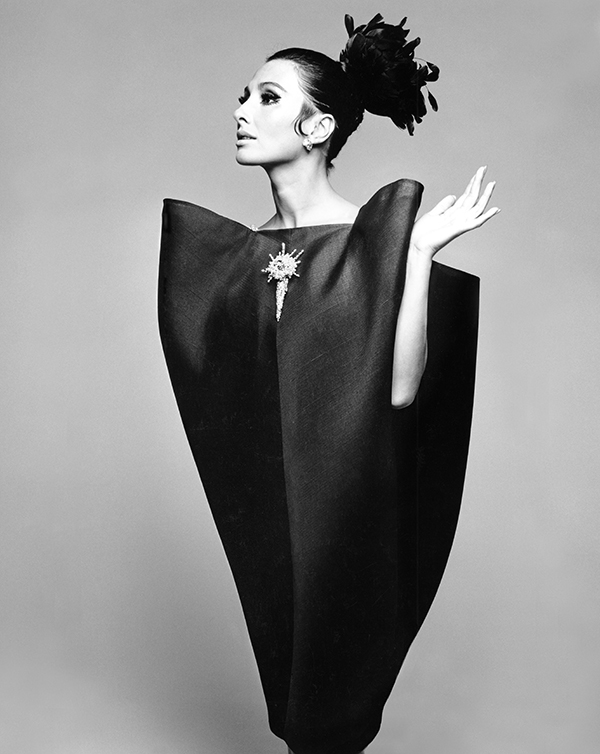

Beyond his creative genius, Balenciaga was also known for his meticulous attention to detail and uncompromising standards of quality. Each garment bearing his name was a testament to his dedication to perfection, earning him the admiration of clients and contemporaries alike.
However, despite his unparalleled success, Balenciaga shocked the fashion world in 1968 when he announced his retirement and closed his couture house. His departure left a void in the industry, but his legacy continued to inspire generations of designers who followed in his footsteps.
Fast forward to the present day, and the Balenciaga brand has undergone a dramatic transformation. While still revered for its avant-garde designs and boundary-pushing aesthetics, the house is a far cry from the traditional couture atelier that Cristóbal Balenciaga once presided over.
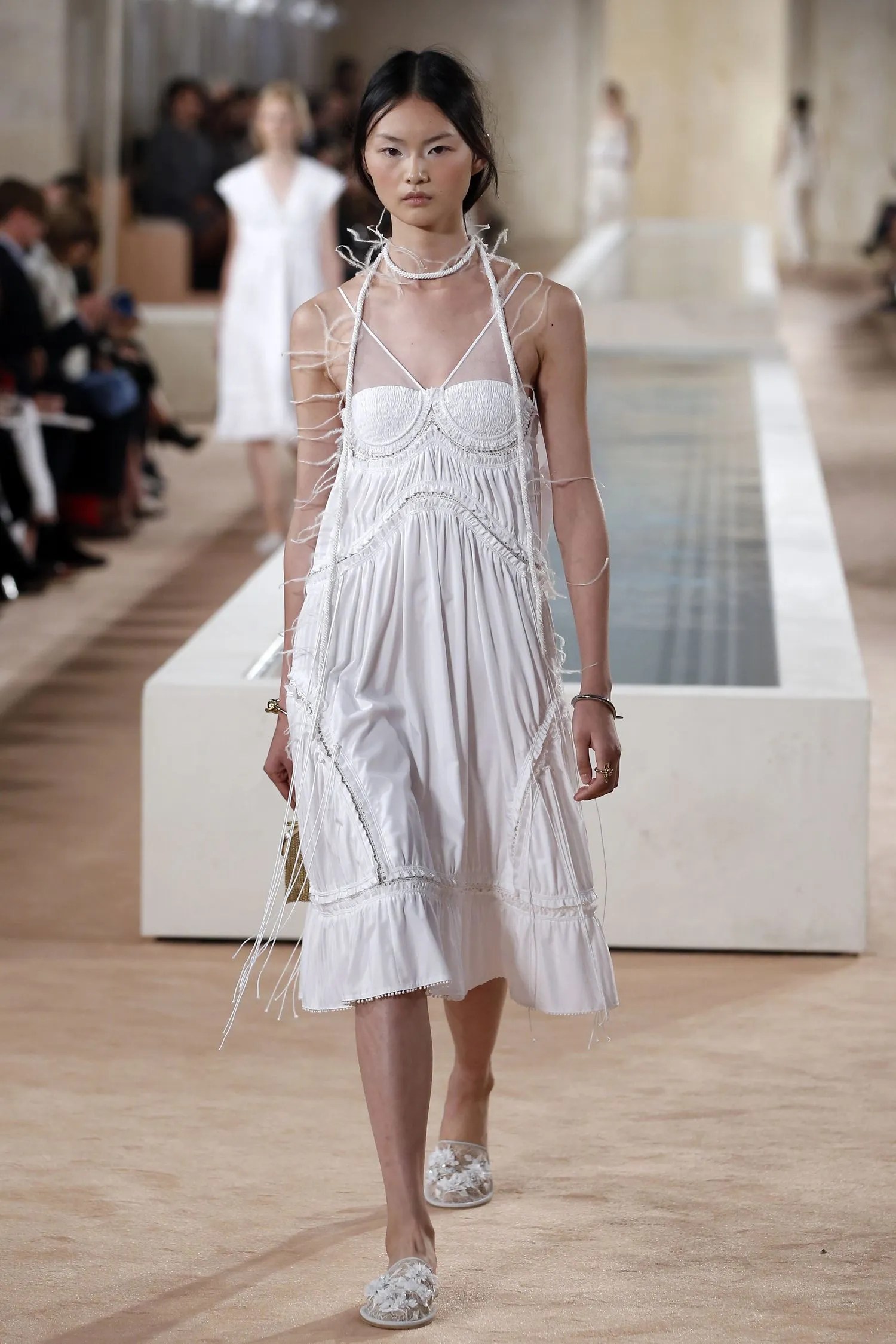


Under the creative direction of visionaries like Nicolas Ghesquière, Alexander Wang, and Demna Gvasalia, Balenciaga’s trajectory has been nothing short of a rollercoaster ride. From its origins as a couture powerhouse to its flirtation frilly almost childlike collections under Wang. The brand has undergone multiple transformations. However, it experienced a renaissance under the creative direction of Nicolas Ghesquière, characterized by bold silhouettes and innovative designs.
Yet, just when it seemed to have found its stride, Balenciaga took a sharp turn in a new direction. Under the helm Gvasalia, the brand has embraced a strange fusion of grungy aesthetics and conspiracy-laden themes. This evolution has resulted in collections featuring unconventional, even unwearable designs that defy traditional notions of beauty and style.
While some may find the brand’s current direction perplexing, there’s no denying its ability to provoke conversation and challenge the status quo. Balenciaga’s willingness to push boundaries and subvert expectations has cemented its status as a polarizing force in the fashion industry, sparking debates about the nature of beauty, wearability, and artistic expression. Love it or hate it (I hate it), one thing is certain: Balenciaga continues to defy convention and chart its own course in the ever-evolving landscape of fashion.
Discover more from Fashion Food & Cocktails
Subscribe to get the latest posts sent to your email.
